

Goa: A Drink and Make Merry State - Myth or Reality?
Goa, with its sun-soaked beaches and vibrant atmosphere, has long been associated with a laid-back lifestyle and a reputation as a destination where one can drink and make merry. This perception has permeated popular culture, drawing visitors from around the world seeking a slice of the carefree Goan experience. In this article, we delve into the myth and reality surrounding Goa as a “drink and make merry” state.
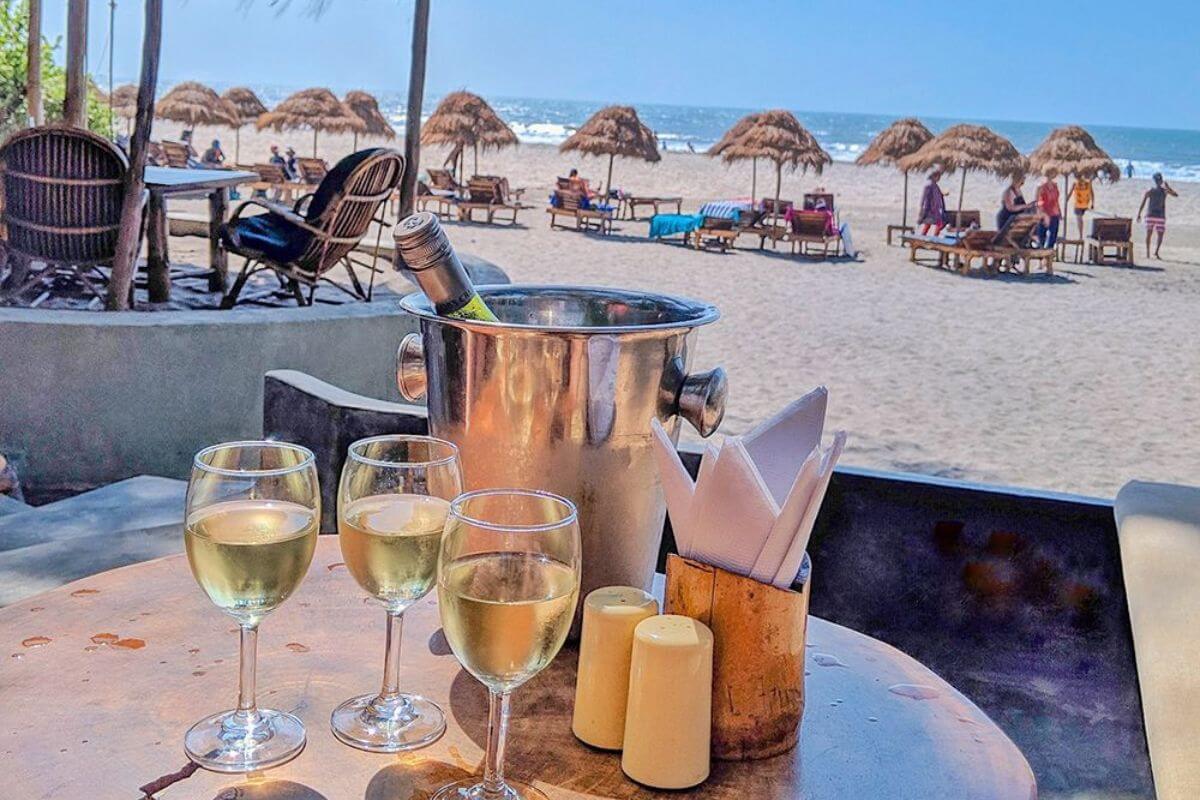
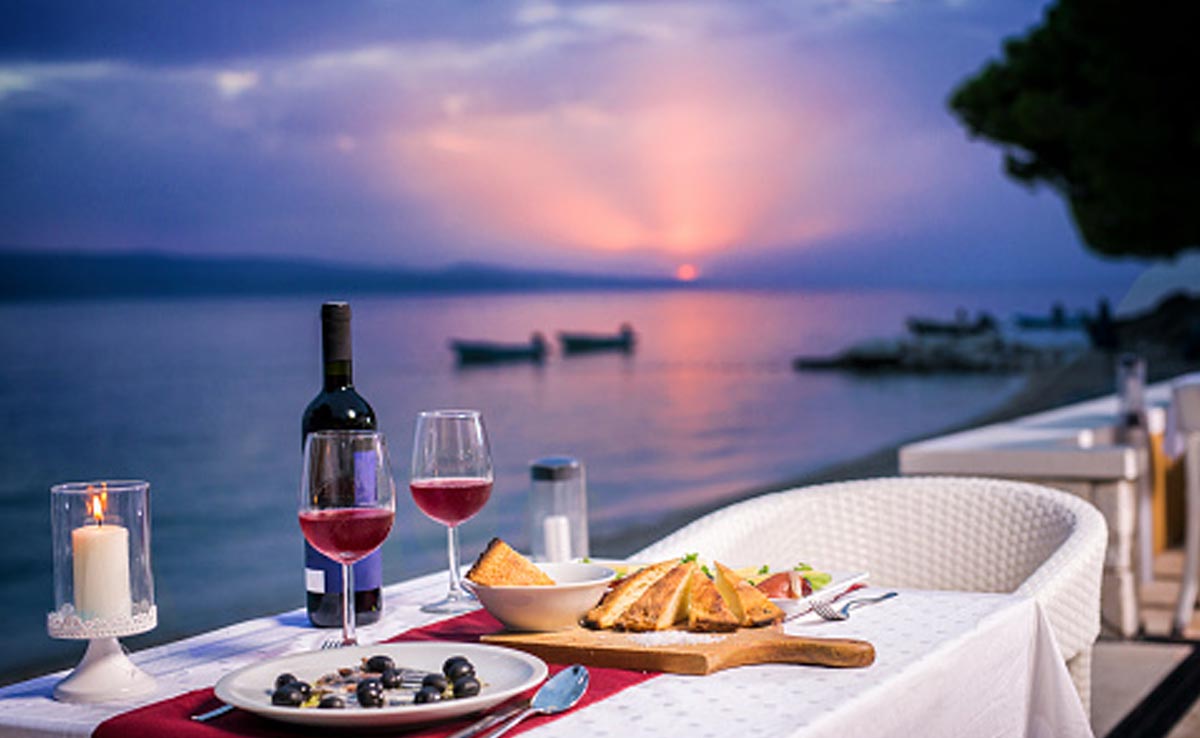
1. Festive Spirit and Celebrations: Goa’s reputation as a place to drink and make merry is deeply rooted in its festive spirit. From beach parties to lively celebrations during festivals and carnivals, there is an undeniable sense of joy and revelry. However, it is essential to distinguish between these celebratory moments and the day-to-day lives of the locals.
2. Vibrant Nightlife: Goa’s nightlife is renowned, particularly in areas like Baga, Anjuna, and Calangute. Shack-lined beaches transform into lively hubs after sunset, offering beach parties, live music, and vibrant clubs. This nightlife contributes to the perception of Goa as a destination for fun and merrymaking.
3. Cultural Richness Beyond Libations: While Goa may be famous for its beach parties, it has a rich cultural tapestry that goes beyond the bottle. Portuguese influence, a blend of religions, and centuries of history contribute to a diverse cultural landscape. Museums, art galleries, and traditional events showcase a side of Goa that extends far beyond the party stereotype.
4. Local Drinking Culture: Feni, a traditional cashew- or coconut-based liquor, is an integral part of Goan culture. The relaxed attitude towards alcohol is reflected in beachside shacks and local taverns serving a variety of drinks. The unhurried pace of life allows both locals and visitors to enjoy a drink while taking in Goa’s scenic beauty.
5. Responsible Tourism Initiatives: Recognizing the impact of mass tourism and the pitfalls of a party-centric reputation, Goa has implemented responsible tourism initiatives. These efforts aim to balance tourism with the preservation of the local environment and culture, emphasizing responsible drinking and sustainable practices.
6. Community Values: While tourist-centric areas of Goa exude a party atmosphere, many Goans lead lives centered around family, community, and traditional practices. The contrast between tourist hotspots and residential areas highlights the complexity of Goa’s identity.
Conclusion :
The perception of Goa as a “drink and make merry” state is not entirely a myth, but it is nuanced. Vibrant nightlife and celebratory events attract visitors from all walks of life, yet Goa is far more than a party destination. Its cultural richness, strong community values, and focus on responsible tourism reveal a layered identity—one that invites exploration beyond stereotypes, blending celebration with preservation.
WhatsApp us